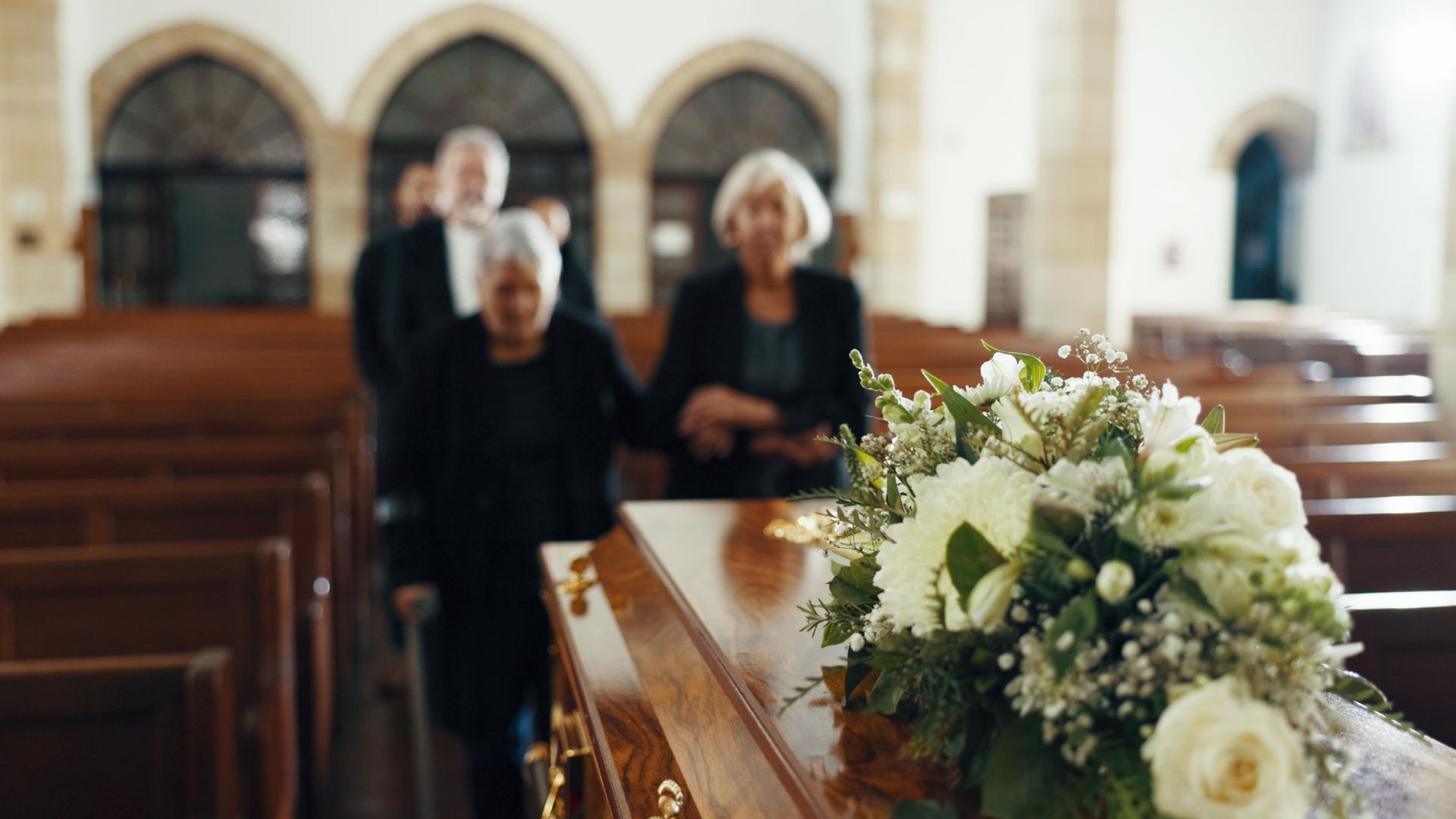
Funeral planning checklist: all the arrangements you need to make
There's lots to think about when organising a funeral. Our funeral planning checklists should help you make arrangements at your own pace.
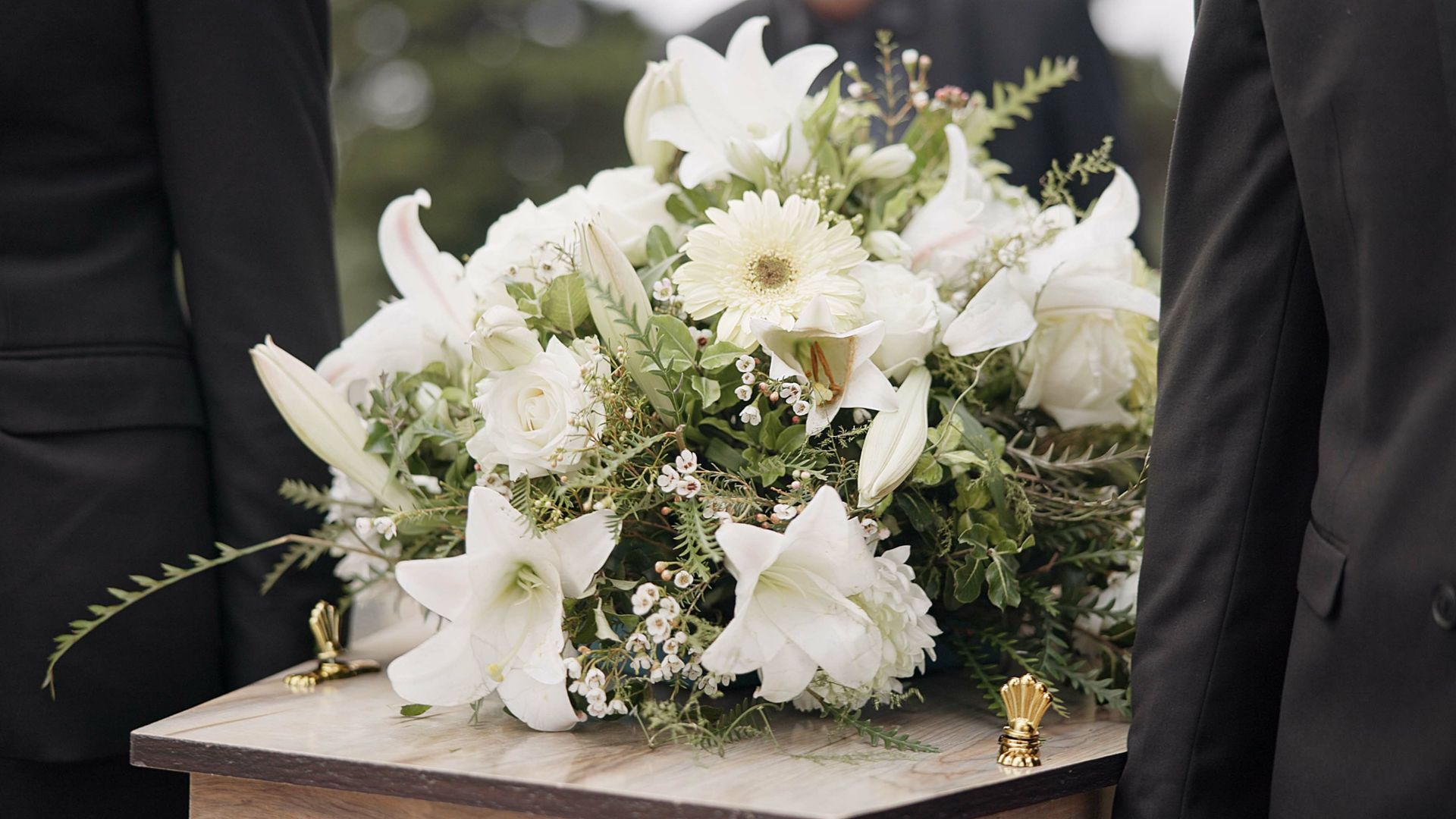
There are many things to think about when arranging a funeral.
We've broken it down into a few checklists to help you get your head around what needs to be done. This includes tasks you need to do before you start planning the funeral.
If you're planning a funeral with friends or relatives, it can be helpful to split the tasks by assigning each person a checklist.
Essential 'planning a funeral' checklists
Before planning the funeral

What to do immediately when a person dies
There's a process to follow when a person dies. You can learn more in our guides:
Registering the death
You must register a person's death before you can have the funeral.
If you're in England, Wales or Northern Ireland, you must register the death within five days. This time limit starts when the medical examiner confirms you can register.
In Scotland, the time limit is eight days, starting from the date of death.
Learn
how to register a death in the UK.
What to do next
- Tell friends and family members about the person's death.
- Tell the government and other organisations about the death. You can use the Tell Us Once service (if it's available in your area) to contact several government departments at the same time.
- Return the person's driving licence to the DVLA and passport to HM Passport Office.
- Start making funeral arrangements.
Starting your funeral planning

H5: Choosing a type of funeral
- Think about what sort of funeral the person who died would have liked.
Did they like to keep things traditional? Would they want it to be more of a
celebration of life? Perhaps they didn't want a funeral service at all, preferring a
direct cremation or direct burial with no ceremony. They may have written their last wishes in a letter or a will.
- Consider burial, cremation and alternatives.
Did they have a cemetery or specific burial plot in mind (perhaps next to a loved one)? If they wanted a cremation, was there somewhere they wanted their ashes to be kept or scattered? Would they have preferred an alternative option, such as a
woodland burial?
- Choose between a religious and non-religious funeral.
If the person who died was religious, you'll probably want their funeral to reflect this. If you're not familiar with the customs, you could contact a religious leader (such as a priest or imam) for advice.
- Find out if any relatives or friends have special requests for the funeral.
You don't have to follow every suggestion, but it can be useful to talk to people to get ideas for the funeral service.
Finding the right funeral director
- Decide if you need or want a funeral director.
Most people planning funerals in the UK use a funeral director. Working with a funeral director can make organising a funeral easier. It takes some weight off your shoulders in an already difficult time.
However, no law says you must use a funeral director. You can arrange a funeral service yourself as an executor of the will, a relative or a close friend. This includes tasks such as:
- Caring for the body before the funeral
- Paperwork
- Booking the cemetery or crematorium
- Sourcing a coffin or urn
- Arranging the ceremony or service
The Natural Death Centre has useful information on
arranging a funeral without a funeral director.
- Choose a funeral director.
Here are some questions you may want to ask when choosing a funeral director:
- What services do you offer?
- What's included in the price?
- Can I personalise the funeral?
- How will you look after the person who has died?
- Can I choose a date, time and venue for the funeral?
- Do you provide funeral transport?
- Will I have a choice of coffins and urns?
Choosing where and when to hold the funeral service
- Create a guest list.
Knowing roughly how many people may want to attend can help you choose a venue.
- Decide on a venue.
As long as you get permission, you can use almost any venue for your funeral service. Popular options include:
- Places of worship, such as mosques, churches and gurdwaras
- The person's home or garden
- Chapels in crematoriums and cemeteries
- At the person's grave (a graveside service)
- Hotels
- Member's clubs
- Parks and other outdoor spaces
Most UK funerals happen in places of worship or crematorium/cemetery chapels.
- Choose a time.
Consider your guests and how far they're travelling. Try to make it as convenient as possible for everyone while prioritising family and close friends. You also need to make sure the officiant (usually a celebrant or religious leader) is available at that time.
- Send the invitations.
You can print traditional invitations or send them digitally via email or WhatsApp. You can also publish a public obituary. If you're sending invitations by post, consider how long they'll take to reach people. Let guests know if you want them to donate to charity or bring flowers. Mention a dress code, too, if you have one.
Personalising the funeral

- Decide if you'll have music during the funeral service.
If your faith allows music, you can involve it in different parts of the funeral service. At traditional UK funerals, music is usually played at three key moments. These are the start of the funeral, the committal (when the person is put to rest) and when people leave the venue.
- Consider including readings.
Whether it's a religious scripture, a passage from a book or a poem, readings can help you share your feelings.
- Choose your transport.
Will you be hiring a traditional hearse and limousines for the family? Perhaps a horse-drawn carriage? Or maybe you want to make your own way there.
- Think about decorations.
If you'd like to decorate to honour or showcase the personality of the person who has died, ask the venue what is allowed.
Financial considerations

- Consider the cost of different options.
In 2026, the average cost of a simple, modern-style funeral service is £3,828, while a traditional funeral costs £4,510 on average. A direct cremation is more affordable, costing an average of £1,628 (SunLife).
- Find out or decide who will pay.
Some families pay for the funeral. This cost can sometimes be recovered from the estate of the person who has died. Alternatively, the person may have taken out a pre-paid funeral plan. That means costs are covered, but there may be limitations on which funeral home you can use and how much you can personalise the service.
- Find out if you're entitled to government schemes.
You may be able to get help paying for the funeral through the
Funeral Expenses Payment scheme.
Are you planning a funeral in London?
At Akshardham Funeral Directors, we work with families of all faiths to help them plan a funeral that feels right for the person who died.
We offer a range of funeral services in London, including cremation funerals, direct cremations and burials. And throughout, we'll provide gentle guidance to help you personalise the funeral and make decisions at your own pace.
If you're still choosing a funeral director, feel free to call us whenever you're ready. Our lines are always open – 020 8355 7876.