What to do with pets when their owner dies
What happens to pets when their owners die? It's a sad question without an easy answer. Learn what usually happens and what your options are.
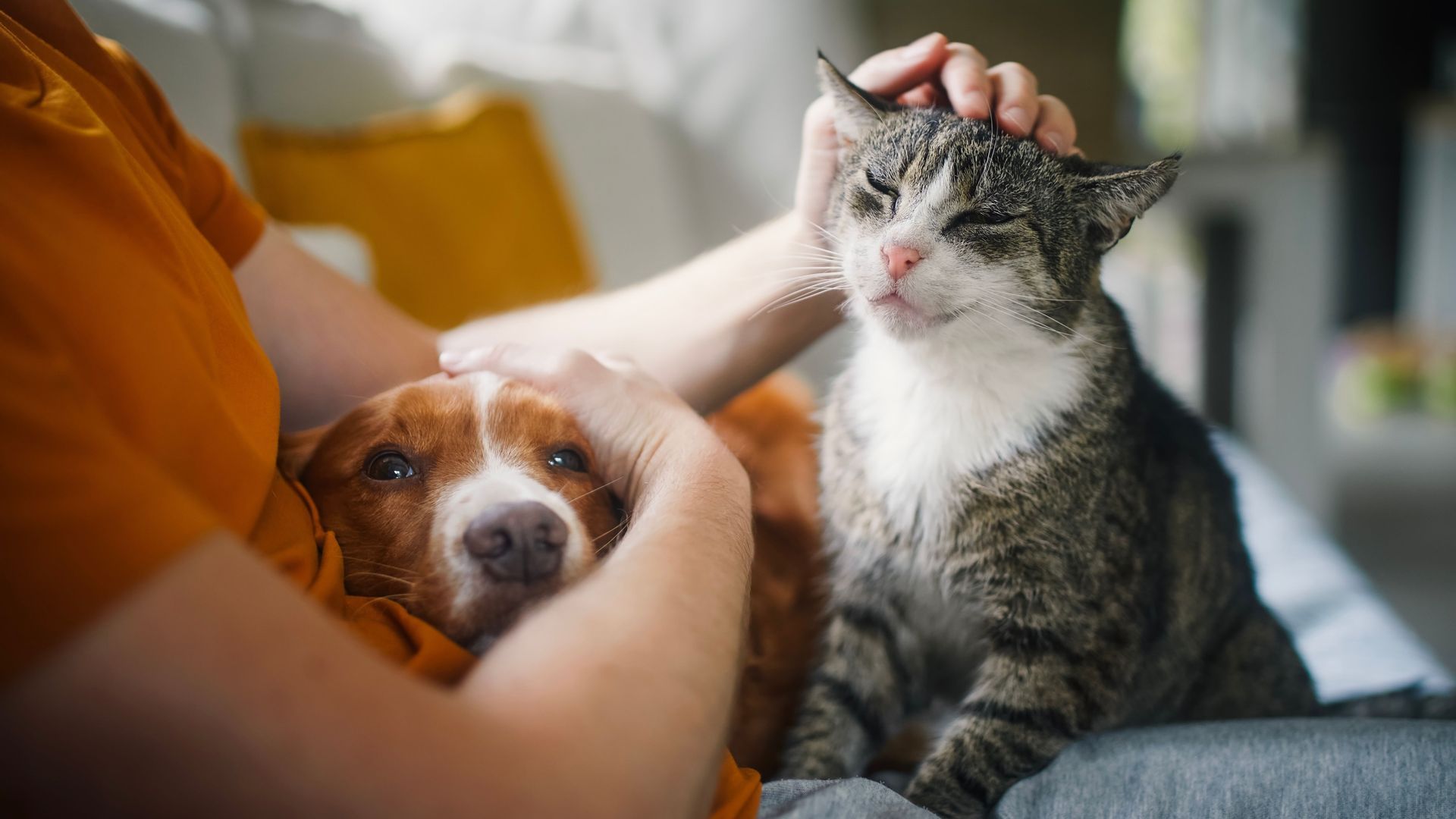
When a person dies, it's not just family and friends who are left behind. Often, it's animal companions, too.
Has a person you know died and left a pet behind? Or perhaps you're wondering what will happen to your beloved cat, dog or other pet when you pass away.
In any case, this guide will help. We show you:
- Immediate steps to keep the pet safe
- Who's legally responsible for the pet in the UK
- Your long-term options
Bear in mind that all the information in this article applies to England and Wales. Rules and regulations might work differently in Scotland and Northern Ireland.
Immediate steps to take
If a person has died and left a pet behind, you should act as soon as possible to make sure the pet is safe and well cared for.
- Secure the pet.
Make sure it can't escape or injure itself. Depending on the animal, that might mean closing doors and windows, securing a cage or enclosure or putting a dog on a lead.
- Check the pet's condition.
Look for obvious signs of illness, injury, dehydration or distress. If it appears seriously unwell, contact an emergency vet straight away.
- Provide water.
If the animal has been without care, it may be dehydrated – particularly in hot weather or if it's unwell. Providing water is an urgent priority. Keep its water bowl accessible but don't force it to drink.
- Offer food if appropriate.
If you know what the pet normally eats, offer its usual food in a sensible amount. If it appears extremely hungry or weak, don't let it eat too much. Contact a vet for feeding advice.
- Arrange temporary care.
If the animal is healthy, ask a friend, relative or neighbour to care for it temporarily. If it's ill or injured, contact a vet. If you can't safely care for the animal yourself and no one else is available at short notice, contact your local council or an animal welfare organisation for advice.
While you follow these steps, you may have to leave the pet alone for a short time. Use your judgement on what's safe. Some animals can be left alone safely for longer than others.
Be calm and cautious when approaching the animal. Some pets might appreciate comfort, while others may be frightened or unsettled by the unfamiliar situation. Don't force contact, especially if the animal seems anxious, defensive or aggressive. Let it approach you if possible.
Who's legally responsible for a pet after its owner dies?
There are two things to consider here:
- Who inherits the pet as property?
- Who is responsible for its welfare while ownership is being sorted out?
Who inherits the pet as property?
In law, pets are treated as property. That means ownership and responsibility work in the same way as any other property. It depends on whether there's a will and what that will says.
- If there's a will and it mentions who should take the pet, the pet usually passes to that person as part of the estate. For instance, the will might say, "I give my dog, Brandy, to my niece, Alicia Smith."
- If there's a will and it doesn't mention the pet, then the pet forms part of the estate of the person who died. The executor is responsible for dealing with the estate and will need to make appropriate arrangements for the animal.
- If there's no will, the pet forms part of the estate and the administrator is responsible for making arrangements. The administrator plays a similar role to the executor when there's no will.
Who is responsible for its welfare in the meantime?
The legal process of wrapping up a person's estate can take many months. Of course, pets can't wait for legal decisions to be made.
In the meantime, friends, family members or neighbours almost always step in to make sure the animal is well looked after.
The person who takes charge of the pet in the short term may have legal responsibility for its welfare, even if they don't own it. They must provide:
- Proper care
- A suitable diet
- A suitable environment
If they don't take reasonable steps to meet the animal's welfare, they can be prosecuted under the Animal Welfare Act 2006. This is true even if someone else legally owns the pet.
That's why pets shouldn't be left alone for longer than is reasonably safe after its owner dies. If you take charge of the animal, you may have legal responsibility for its welfare, and failing to meet its needs could result in criminal prosecution.
Your long-term options
In the long term, what happens to pets when their owners die? Once you've made sure the pet is safe, the priority is to make arrangements that meet the animal's needs.
That could be a decision for:
- The executor, while the estate is being wrapped up
- The administrator, if there's no will
- Someone named in the will to take responsibility for the pet
There are several options. No doubt you'll want to make sure the pet is as happy and comfortable as possible. However, taking the pet into your own home isn't always an option.
With that in mind, you could:
- Keep the pet: perhaps the person named in the will or another responsible person can take the pet. If so, it may be able to stay in its familiar home or move to a new one.
- Rehome the pet with family or friends: a friend, relative or neighbour who already knows the animal may be able to provide a permanent home.
- Find a new home through a rescue organisation:
if no one can take the pet, you could contact a trusted animal rescue or rehoming charity to help find a new home.
- Arrange specialist care: some animals may need extra care because of their age, health or species. In cases like this, it might be best to contact a specialist rescue centre or sanctuary.
Whatever happens, we hope you find a solution that works for everyone, and the pet can enjoy a happy life with the right care.
AFD is a team of funeral directors in Barnet serving families across Greater London. For more step-by-step advice on what to do when a person dies, read our funeral guides.