What is a closed cremation?
What are closed cremations and how do they differ from other kinds of cremations? Find out in our quick guide.
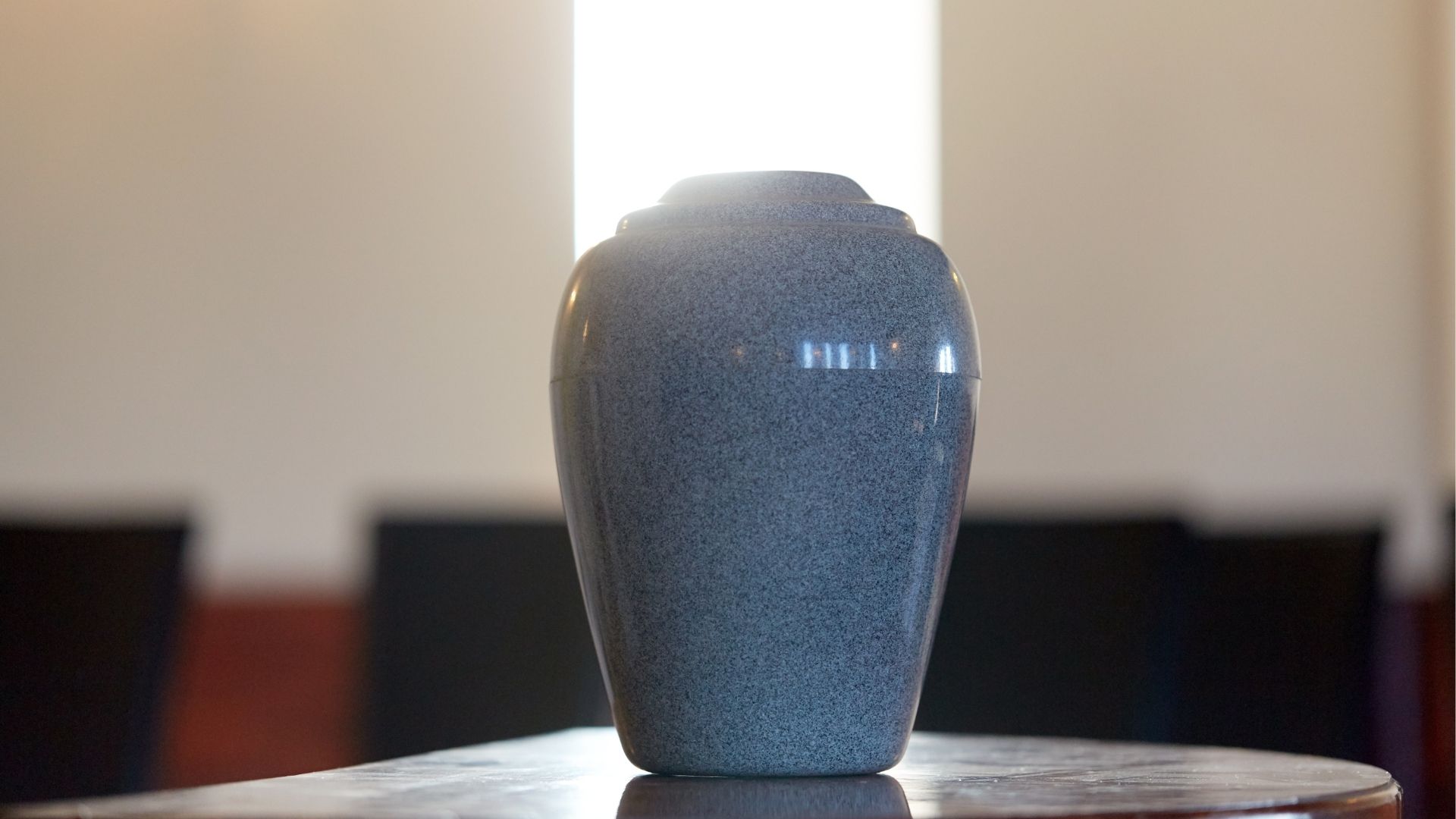
Closed cremation, also known as "direct cremation", is a simple and affordable kind of cremation. Crucially, it consists of a cremation without a formal funeral service or ceremony.
This means no mourners attend the cremation itself. Often, a separate memorial is held at a later date.
If you work with a funeral director to arrange a closed cremation, the funeral director will:
- Collect the person who has died
- Handle the paperwork
- Book the venue
- Provide a simple coffin
The person's body is then cremated at the crematorium.
Often, the ashes are returned to the family. They can then be kept at home or scattered.
Why do people choose closed cremations?
There are two main reasons why people choose closed cremations over attended cremations or burials.
The first is cost. In 2024, a closed cremation cost an average of £1,597, as opposed to £3,980 for an attended cremation and £5,198 for a burial.
The second is that a closed cremation requires less organisation. Choosing a closed cremation helps families avoid the stress and formality of a traditional funeral. It enables them to arrange a more personal farewell at a time of their choosing.
Finally, the person who died may have requested a closed cremation, or not specified the kind of funeral they wanted.
Closed cremations are an increasingly popular choice. In 2024, 20% of people chose a closed cremation compared to 55% choosing attended cremations and 25% choosing burials.
Closed cremations: what are they like?
A closed cremation happens without a ceremony. This means no songs, readings or tributes. They're also unattended, although funeral directors occasionally offer attended closed cremations.
With an attended closed cremation, there's still no ceremony. However, a few loved ones can spend a quiet moment with the person who has died before the cremation.
Closed cremations are significantly more affordable than traditional cremations or burials. This is because many costs – such as buying flowers – are not needed.
If you work with a funeral director, they'll handle the collection of the person's body, the venue and time slot and associated paperwork. They will also return the ashes to you in a basic container.
Once the closed cremation is over, families can hold a separate
memorial service,
ashes scattering or
celebration of life.
Frequently asked questions
How long does a closed cremation last?
The closed cremation itself is quick and unattended. Ashes are usually returned to the family within 21 days, sometimes more quickly.
Can I attend a closed cremation?
Closed cremations are typically unattended. Some providers, however, offer paid options for attendance. This doesn't mean there'll be a ceremony. Instead, it means you can spend some quiet time with the person who has died before the cremation takes place.
Akshardham Funeral Directors is a London-based independent funeral home. Are you organising a direct cremation in London? Our experts can offer gentle guidance through every step of the process. Please call whenever you're ready on 020 8355 7876 or contact us online – we're available 24/7.