What happens at a crematorium?
Learn about cremation services, the cremation process and what happens at crematoriums in the UK.
At the time of writing, more than 80% of all funerals in the UK are cremations. Since the mid-1960s, it has been the most popular choice for funerals.
If you're going to a cremation service for the first time and are unsure what to expect, this article is for you. It might also be useful if you're planning a funeral and are still not sure whether to choose cremation or burial.
Here, we focus on traditional cremation funerals in the UK. The details might be different in other parts of the world or for certain faiths and traditions.
What happens at a cremation service?
A cremation funeral consists of three parts:
- A funeral service
- The committal
- The cremation, which takes place behind the scenes
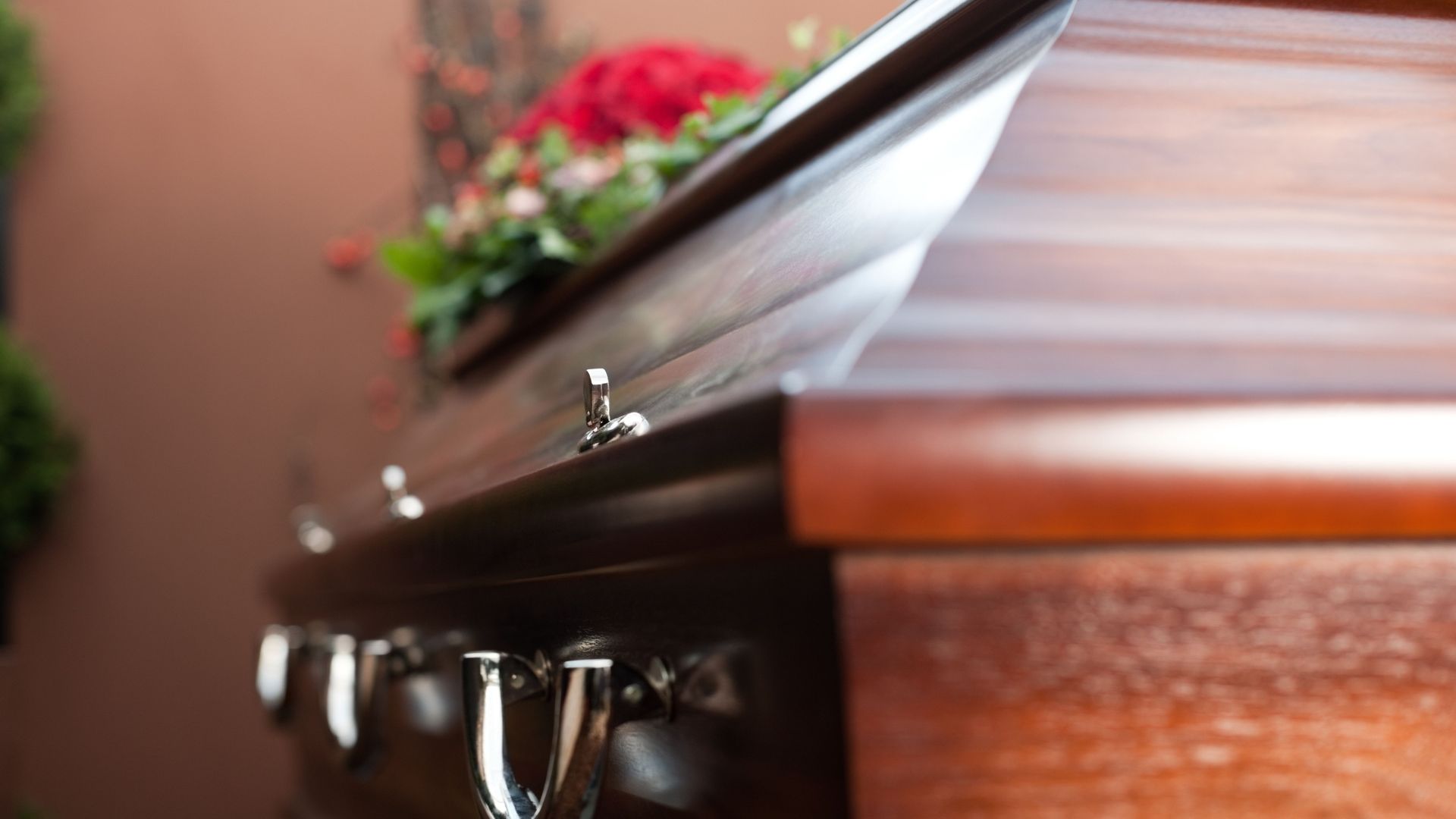
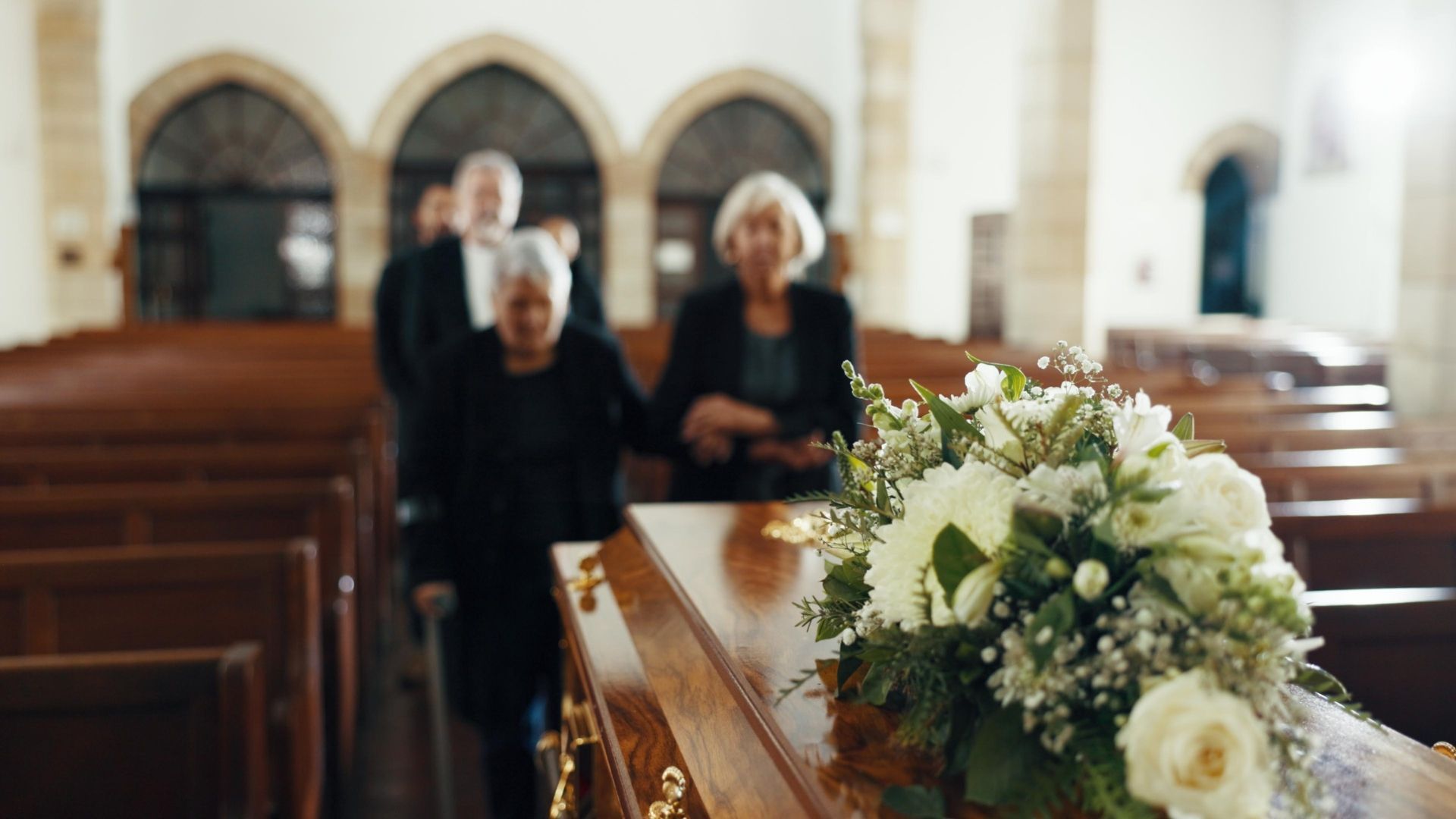
For the service, friends, family and colleagues will gather at the crematorium chapel. There will likely be readings, speeches and music. The coffin is often positioned on a raised platform (the catafalque) at the front of the room.
Near the end of the service, the committal takes place. The coffin is usually hidden by curtains. This symbolises the person being laid to rest.
After the service, the coffin is removed to be cremated. The body is laid to rest as ashes, which can then be returned to the family.
What will happen when you arrive?
When you arrive at the crematorium, friends, family and other mourners will typically be gathering in the chapel, the waiting room or outside.
The coffin is carried in by pallbearers or crematorium staff and placed on the catafalque. A service then takes place featuring music, eulogies (speeches) and readings.
After the service, many families hold a wake or funeral reception at a local venue or at the family home. This is where mourners eat, drink and talk in a more relaxed setting than the crematorium.
How long does cremation take?
A typical cremation service will take between 30 and 45 minutes. The cremation process itself can take between an hour and a half and three hours.
After a cremation, the ashes can be delivered to or collected by loved ones. They are usually ready somewhere between a day and two weeks after the funeral. Delays can be caused by legal and medical paperwork.
How do cremations work?
Before cremation, the person who died must be identified. Crematorium staff check the nameplate on the coffin against paperwork.
The person and the coffin are then placed in a cremation chamber. In the UK (and in most other places), the body and the coffin are cremated together.
The chamber is heated to high temperatures and the person's body is put to rest. The remains can then be turned into ashes and returned to the family.
How is a body prepared for cremation?
Before a person's body is cremated, legal documents have to be completed. These include:
- A medical certificate that confirms the cause of death
- Authorisation forms signed by the legal next of kin or executor (the person entrusted with dealing with the estate of the person who died)
An identification tag is attached to the person's body. This tag stays with the person through the whole process. It's kept with the ashes to ensure the right remains are returned to the right family.
Medical implants, prosthetics and personal items like jewellery are removed. The body is washed, cleaned and dressed according to the family's wishes.
The family can choose the clothes the person will wear. Alternatively, they can be dressed in a simple cotton shroud or gown.
Do coffins get cremated with the body?
Yes. In the UK, the coffin is always cremated along with the body. For this reason, coffins are built specifically so they turn to ashes along with the body.
What happens after cremation?
After cremation, the ashes of the person who died are placed in an urn or other container. They can then be delivered to the family or collected by them.
The ashes can then be placed in a columbarium (a structure where urns are stored), buried or scattered.
Where can you scatter ashes in the UK?
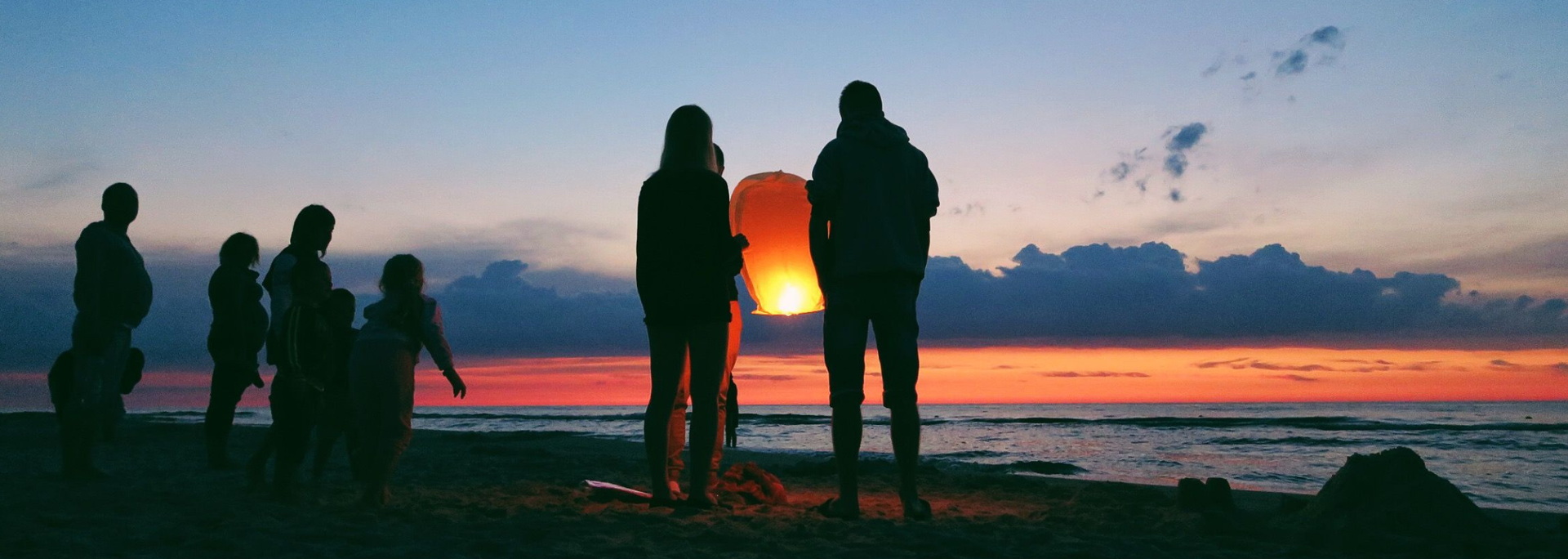
Ashes can be scattered on rivers and seas without permission. However, if the river runs through private land, you must get the landowner's permission to use the riverbank. You should also make sure the scattering ceremony is in line with the government's environmental guidelines.
Outside of bodies of water, the rules for scattering ashes are fairly simple. If you own the land, you can scatter ashes there without permission. If the land or site belongs to someone else, you'll need to get permission from the landowner.
The Woodland Trust generally allows ashes to be scattered free of charge in their woods. You are, however, requested to contact their estates team before you go ahead with the scattering ceremony.
If you want to scatter ashes on a National Trust or RSPB site, you need to contact the site manager. They should let you go ahead, so long as the scattering won't damage any local natural habitats.
And if you wish to scatter ashes in a public park or council-owned wood, you'll need to get permission from the local authority first.
What is a direct cremation?
A direct cremation is a no-frills, unattended funeral. The body of the person who died is collected and taken to the crematorium. There, it's cremated without a service and with no mourners present. The ashes are often then returned to the family.
Direct cremations are much more affordable than traditional cremation funerals. That's because you don't need to pay for the venue, a celebrant, transport or flowers.
The 2026 SunLife Cost of Dying report says that the average cost of a direct cremation in the UK is £1,628. A traditional attended funeral, by contrast, costs £4,510 on average.
Families will sometimes organise a direct cremation and a separate memorial service at a later date.
Akshardham Funeral Directors helps families in London organise personalised, affordable cremation services. We work with people of all faiths and provide compassionate, step-by-step advice throughout the process. If you need our support, please call whenever you're ready on 020 8355 7876.