How long does it take to plan a funeral?
Most funerals in the UK are organised within 1 to 2 weeks, but there are factors to take into account. Explore them in our funeral guide.
In the UK, most funerals take place a week or two after a person dies. This usually gives the family and funeral director enough time to plan a suitable funeral.
The exact timeline, however, can vary. Some families want the funeral straight away because of religious customs. There could also be unavoidable delays, such as the involvement of a coroner.
And while most people choose to work with a funeral director, it is possible to organise a funeral yourself. This creates more tasks and can extend the planning process.
Often, the person who died will have made arrangements for their funeral. This could be through a pre-paid funeral plan or life insurance. These need to be checked – a process that can, in rare cases, create delays.
At Akshardham Funeral Directors, we believe that every funeral is unique, and we extend that belief to the planning process.
Registering the death
In England, Wales and Northern Ireland, a person's death must be registered within five days. This time limit starts when the medical examiner issues a document called a 'medical certificate of cause of death'. In Scotland, the time limit is eight days.
This timeframe includes weekends and bank holidays and must be followed by law. The funeral can't be arranged until the death has been registered and official paperwork has been issued.
Once you've registered the death, the next step is to check for any personal wishes in the will or pre-paid funeral plan. The family will then typically choose a funeral director. Some people, however, choose to plan the funeral themselves without help from a funeral director.
Learn more about
how to register a death in the UK.
Booking a venue
A key part of planning a funeral is booking a slot at a crematorium or burial site. This can take a week or more, depending on the venue's schedule.
This can cause delays if you want the person to be buried or cremated at a specific venue. Delays can also happen if you need to wait for family to travel to the funeral.
Religious and cultural funeral planning customs
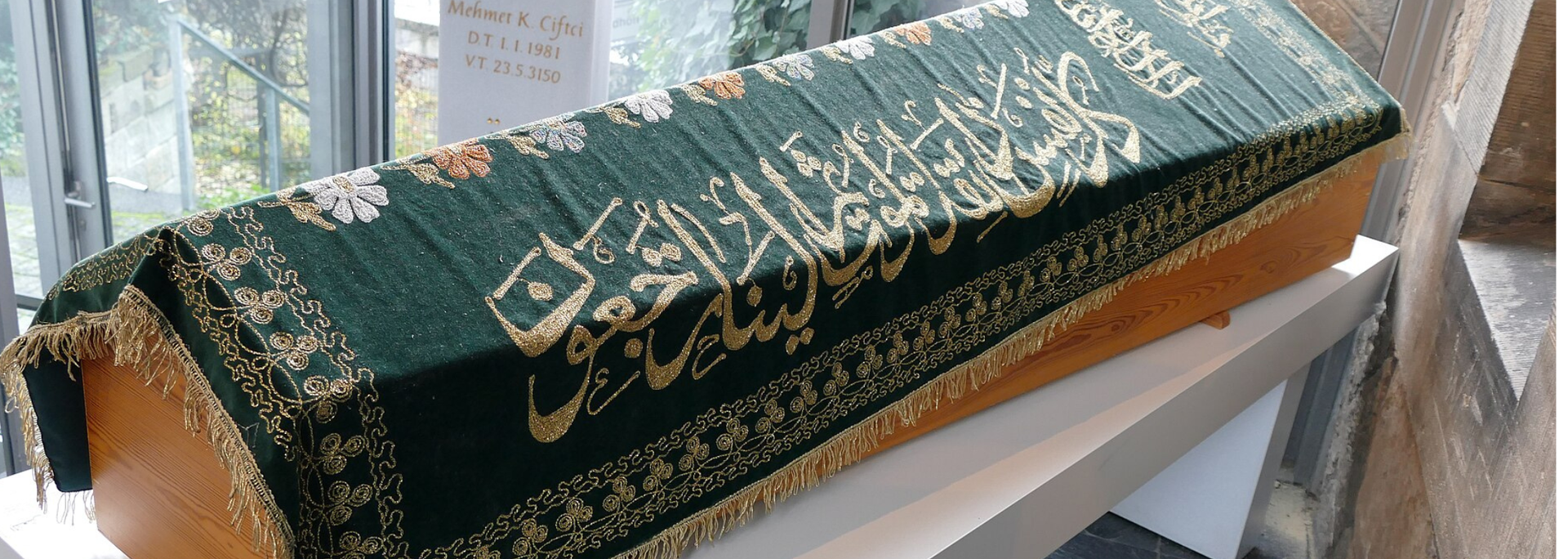
Some faiths have specific customs relating to funeral planning. This can include holding funerals within 24 to 48 hours of the person's death. Precise customs vary between communities.
In Islam, burial is required within 24 hours of death and the official mourning period lasts for three days.
In Judaism, the person is traditionally buried within 24 hours. This period can be extended to avoid a Sabbath or holiday. There then follows a seven-day mourning period for close family members known as "Shiva".
In Hinduism, cremation typically takes place within 24 to 48 hours. A traditional mourning period will then last between 10 and 30 days.
A good funeral director will work with people of all faiths and be able to accommodate religious requirements. At a time of grief, this support, advice and help with logistics can be invaluable.
Other factors that can affect funeral planning
If the death was sudden or unexpected or the cause of death is unknown, it will need to be investigated by a coroner (or Procurator Fiscal in Scotland). This can cause delays in the funeral planning process.
The same goes for paperwork reviews and any complex arrangements. These might include elaborate floral tributes, complex transport requirements, catering or waiting for the family to travel.
Working with a funeral director vs planning a funeral yourself
Some people choose to take charge of funeral planning and not work with a funeral director. There's no legal requirement to work with a funeral director and it can be a way to save money.
Sometimes, people choose to plan a funeral themselves as a way of personalising the service. However, a good funeral director will help you do this.
The main drawback of planning a funeral yourself is the amount of work it involves and the effect this can have on the planning timeline. As well as managing paperwork, you'll need to book a venue and arrange transport for the person who died.
What happens if the funeral is going to take place abroad?
If the funeral will take place abroad, the organisers need permission from the coroner to move the person's body. This must happen even if the coroner is investigating the cause of death. You should apply at least four days before you want the body to be moved.
There are different processes for moving a body abroad in Scotland and Northern Ireland.
Who can arrange the funeral?
Arranging the funeral is usually the responsibility of a relative, close friend or executor named in the will.
What if there's no money for funeral planning?
If there's no money for funeral planning, you may be able to get financial aid. In the UK, this could include:
- Funeral Expenses Payments (England, Wales and Northern Ireland)
- Funeral Support Payments (Scotland)
- Bereavement Support Payments
- charitable grants
- Public Health Funerals
Should I hire a funeral director?
There's no legal requirement to plan a funeral with a funeral director. Most people, however, choose to hire one for advice, support and logistics management.
What's a direct cremation?
A direct cremation is a no-frills, unattended cremation without a formal service.
Can the family carry the coffin?
Yes, friends and family can be pallbearers and carry the coffin at a funeral.
What do you need to do if the person died abroad?
In this situation, you should contact the local authority or a specialist funeral director.
Akshardham Funeral Directors provides a range of funeral services in London, offering compassionate, step-by-step advice throughout the process. Learn more about what to do when a person dies.