Does a person's body have to be embalmed?
After a person dies, their body is often embalmed. But is the process necessary? Find out about your choices in our guide.
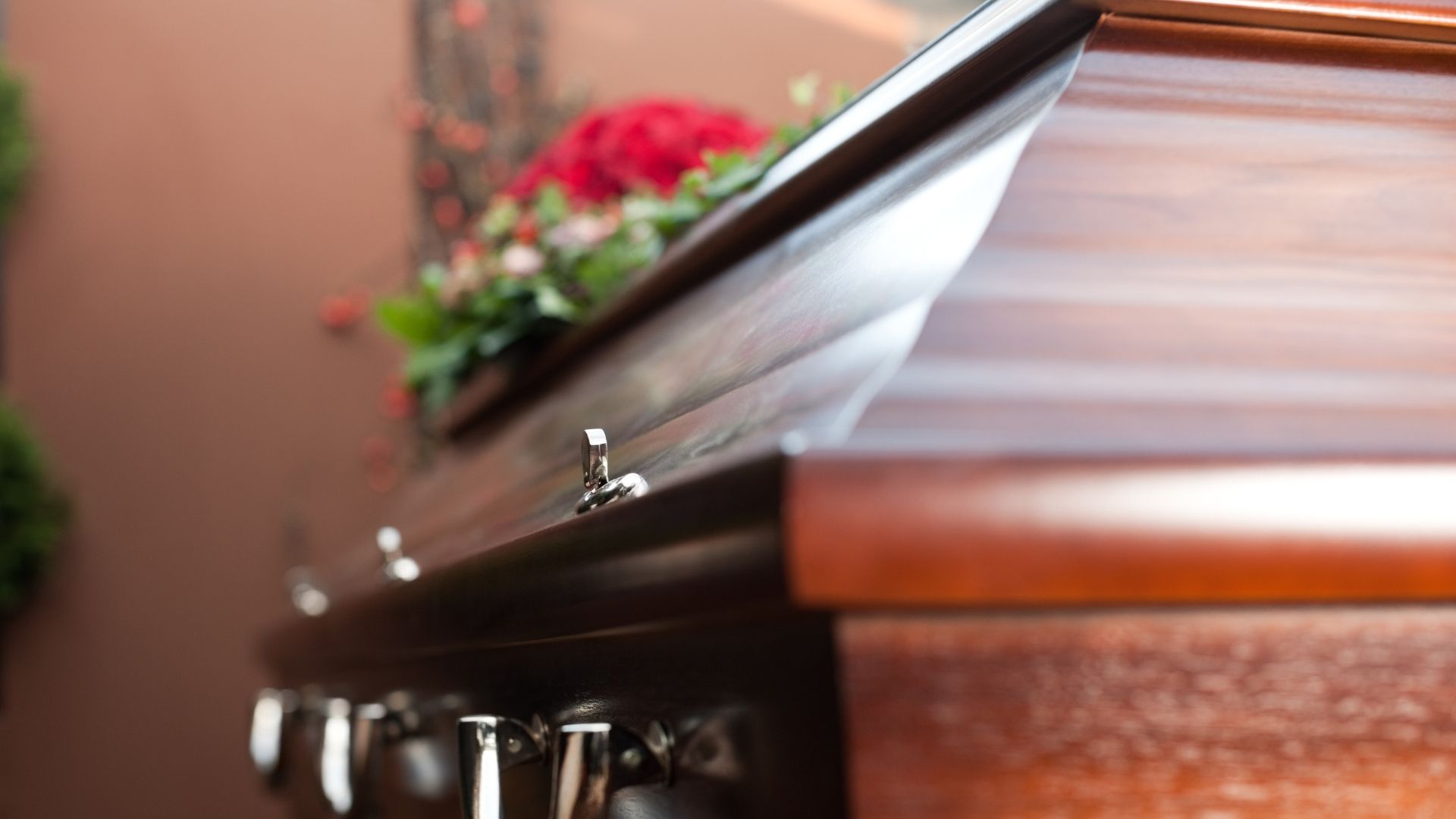
When a person dies, their body is often embalmed. This involves washing the body and using chemicals to preserve a peaceful appearance.
Sometimes, this is to get the body ready for an open-casket viewing. But it's also about handling the body with care and respect before the funeral.
In most places, including the UK, embalming is a matter of personal choice. However, there are specific cases where it's a legal requirement, such as when a body is repatriated (sent home to another country).
Most of the time, however, whether or not it happens is down to your choice or the wishes of the person who has died. Factors affecting this decision range from the personal to the practical, from the religious to the environmental.
If you do choose to have a loved one embalmed, your funeral director can play an important role. They act as an administrator and sometimes as the embalmer, too.
What is embalming?
The purpose of embalming is to preserve a person's body before cremation or burial. In some cases, it's done to preserve a peaceful appearance before an open-casket viewing. In the UK, as elsewhere, embalming isn't legally required for burial or cremation.
What are the alternatives to embalming?
Some funeral homes will carry out basic washing and dressing for a viewing soon after a person dies.
In some cases, the body isn't preserved at all. Instead, it's kept in storage until the service. This could be a natural burial, a traditional burial or a cremation.
Other alternative forms of burial don't require preservation of the body, such as terramation and aquamation (water cremation). These methods, however, are currently not available in the UK.
A matter of personal choice
In the UK, embalming is a personal choice rather than a legal requirement. It's usually recommended if:
- There's a long wait for the funeral
- Loved ones decide to arrange an open casket viewing before or during the funeral
Many people choose embalming even in other situations, though. For instance, you might choose to have your loved one embalmed if:
- You want them to maintain a peaceful look for as long as possible.
- It's a normal part of your culture to have a person's body embalmed.
- You consider embalming to be a mark of respect to the person who died.
- It just feels right to you.
Reasons for not having a body embalmed vary. One reason is the cost. Financial services provider Legal & General reports that the embalming process generally costs up to £200 in the UK. However, this cost is often included as part of the funeral director's fee.
Other reasons include religious beliefs and environmental considerations.
Religious considerations
Not all religions allow embalming. Here's what some of the world's major religions believe about the process.
- In
Islam, embalming is
haram
(forbidden). People who have died are buried within 24 hours when possible. This is to speed the soul's journey to the afterlife.
- In Orthodox Judaism, the body has to be returned to the earth naturally without embalming or cosmetic alteration.
- The
Bahá'í Faith
says that the body must be buried within 24 hours of death.
- Most
Christian
denominations allow embalming. In Eastern Orthodox Christianity, embalming is discouraged but not forbidden (except in certain branches), with religious leaders encouraging a quick and natural burial.
- In
Hinduism, the body is typically cremated as soon as possible. The only exception is when loved ones need time to get to the funeral, in which case the body is kept safely in storage.
- In
Buddhism, the attitude towards embalming is different in different cultures. For instance, embalming is allowed in Theravada Buddhism but discouraged in Tibetan Buddhism. On the whole, it's discouraged but not prohibited.
As well as religious considerations, the decision to embalm or not to embalm is affected by environmental concerns.
Environmental considerations
The chemicals used to embalm a person's body have a negative effect on the environment. Chemicals like formaldehyde, methanol and ethanol can contaminate soil and groundwater. Moreover, when embalmed bodies are cremated, toxins are released into the air. This is why natural and green burial sites usually prohibit the burial of embalmed bodies.
More and more people want to balance giving a loved one the right send-off with decreasing their own carbon footprint. This leads them to seek alternative ways of putting a person to rest.
Some formaldehyde-free solutions are used by embalmers. These are made from biodegradable ingredients such as essential oils and plant-based extracts. The result is an effective embalming solution that won't contaminate the soil or groundwater.
Of course, if you have concerns about the environment, you can choose to not have the person's body embalmed. Instead, the body can be kept in storage ahead of burial or cremation.
How is a funeral director involved in looking after a body?
Funeral directors act as the "custodian" of the person who died. This means they ensure the body is treated with care and respect from the moment of death until the burial or cremation.
Their role involves collecting the body, taking care of it hygienically and storing it in a specially designed refrigerator. In some cases, funeral directors embalm the body themselves. In other cases, they oversee the process and ensure it's carried out safely, hygienically and with dignity by a third party.
The funeral director is also responsible for preparing the body for viewing, where requested, and arranging and overseeing transportation.
How do funeral viewings work?
A funeral viewing, also known as a "visitation", is a gathering held before a funeral. It allows family and friends to pay their respects to the person who died by visiting the body in an open or closed casket.
This can take place at a funeral home, cemetery, crematorium, funeral director's, domestic home or place of worship.
Akshardham Funeral Directors is an independent funeral home based in London. We offer a full range of funeral services, including embalming, as well as step-by-step advice to help you plan the funeral you want. Do you need our support? Please call us whenever you're ready on 020 8355 7876 – our lines are always open.