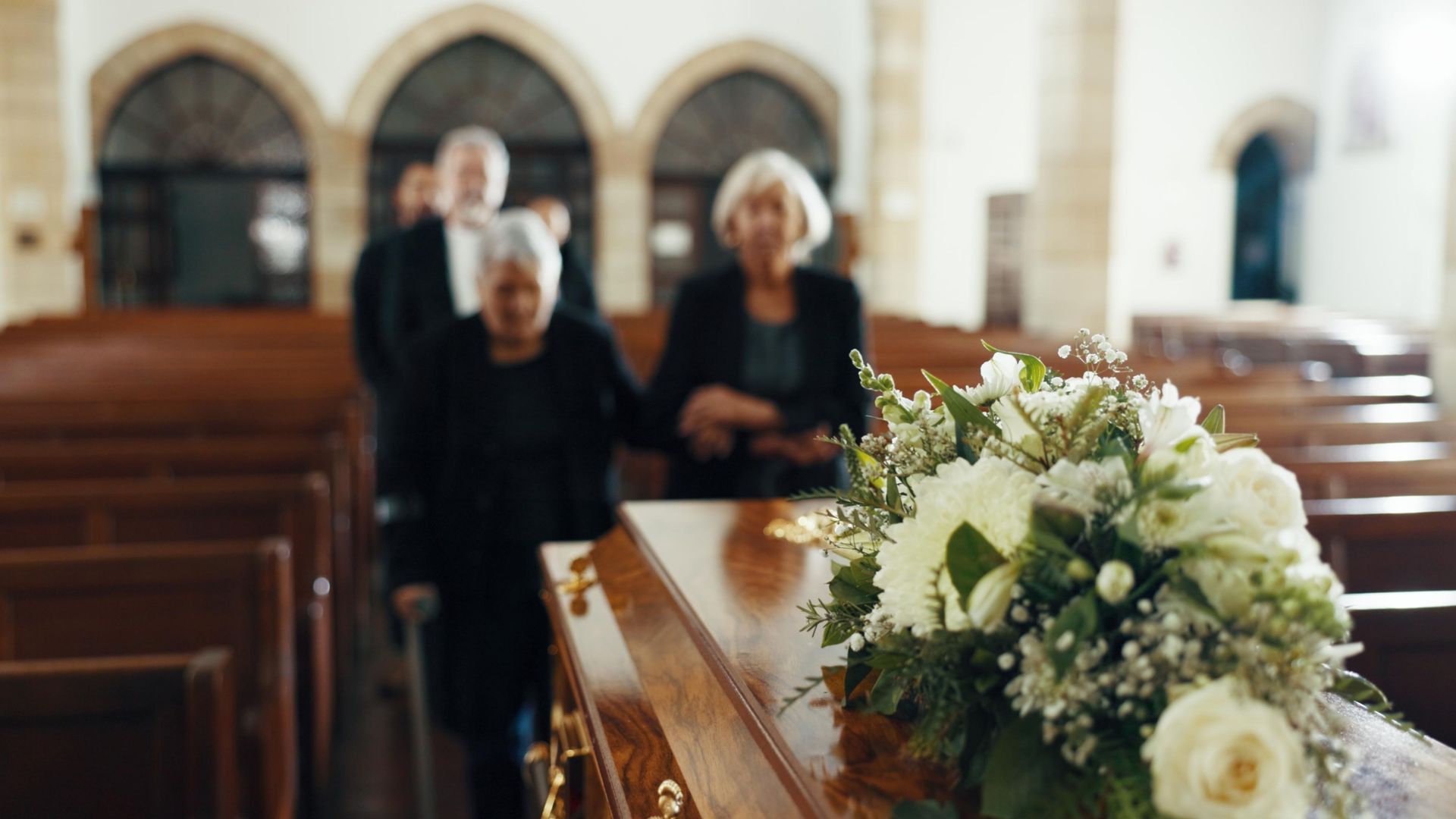
What does embalming mean?
Learn how embalming can help prepare your loved one's body and how to decide if it's right for you.
When a person dies, there are some practical decisions to make about how their body is cared for before the funeral.
One term you may hear during this time is 'embalming'.
But what does embalming mean? And is it something you have to choose?
This guide explains what embalming involves, why some people choose it for their loved ones and why others decide not to.
The most important thing to know is that it is always a personal choice.
What is embalming?
Embalming is a process that preserves and prepares a person's body after death.
The process is carried out by a trained professional, usually at a funeral home or a care facility. It has several purposes:
- To gently slow the natural changes that occur after death
- To maintain a peaceful appearance
- To prepare the person for viewing, if this is something the family wants
Embalming is not mandatory. It's simply one of many ways of looking after a person's body before the funeral.
What happens during embalming?
When arranging a funeral, it's important to understand what the process of embalming involves. It can help make the decision feel easier when you know exactly what's happening.
Embalming involves:
- Gently washing and preparing the person's body
- Replacing bodily fluids with a preservative solution
- Dressing the person in clothing chosen by the family
- Placing them carefully in their coffin
The preservative solution helps slow down the natural processes that occur after a person has died, allowing their body to remain stable for longer. This can be particularly helpful if there will be a delay before the funeral.
Throughout the process, the person who died is treated with dignity and respect.
Why do some people choose embalming?
There are several reasons why a person's loved ones may choose to have them embalmed.
To allow time
Embalming can provide some reassurance that the person's body will remain in a suitable condition until the time is right. You might choose embalming if relatives are travelling from overseas, for example, or if there will be a delay before the funeral.
For viewing or visiting
Some families find comfort in visiting their loved one before the funeral. This may happen at a chapel of rest or a private viewing room.
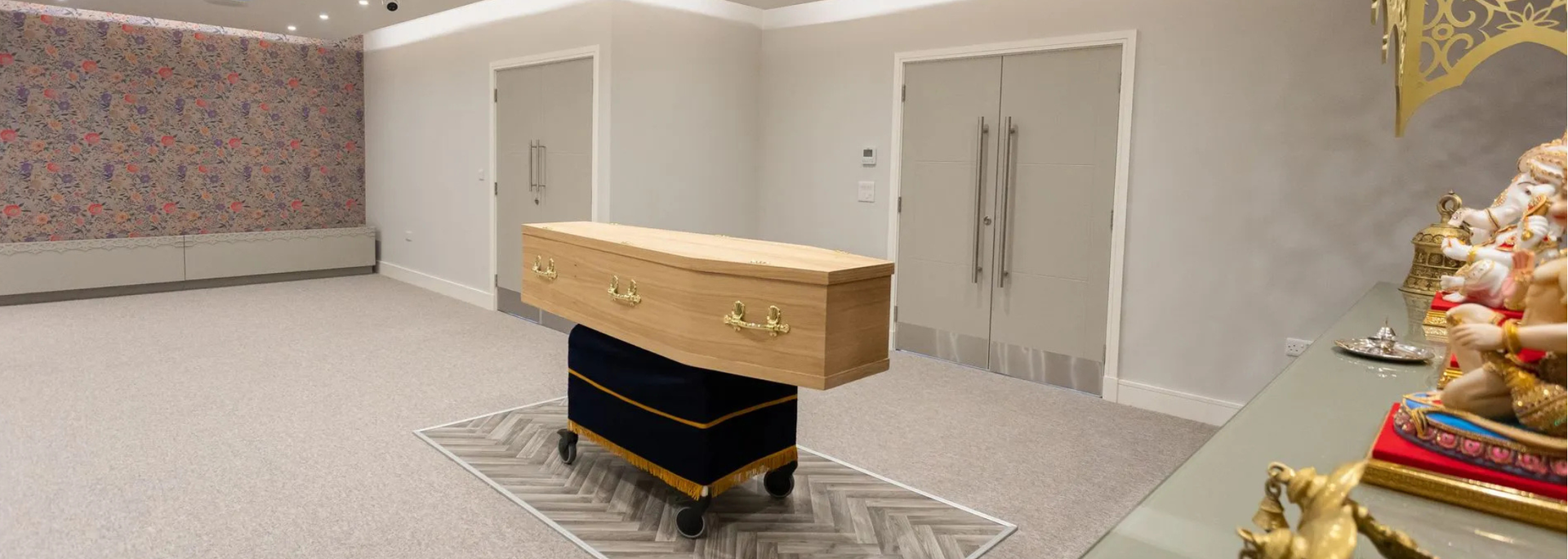
Embalming can help create a calm, natural appearance, which can make that experience feel easier.
Cultural or personal preference
Some cultural traditions include preparation processes that are similar in purpose to embalming. Others do not. Everyone's beliefs and values are different.
For some people, embalming feels like an important part of caring for their loved one. For others, it does not.
Is embalming required by law?
Not at all. In the UK, embalming is not a legal requirement for most funerals.
There are occasional circumstances where specific health considerations apply. However, for the majority of people, it's an entirely optional service.
If a burial or cremation is taking place within a typical timeframe, refrigeration alone is usually enough to ensure the person's body is well cared for.
This means you're free to choose what feels right for you.
Are there reasons not to choose embalming?
Yes. Many families decide not to embalm their loved one's body.
Some reasons might include:
- Their cultural or religious beliefs
- Wanting to do only what's strictly necessary to look after the person's body
- Environmental considerations
- Their personal feelings about the process
Some faiths have specific guidance about how quickly burial should take place or how the body should be prepared. Others may allow embalming, but do not require it.
If you're unsure how embalming fits with your beliefs, you may want to speak to a faith leader for guidance. You could also
speak to a funeral directorif you want to learn more about your options and what the process involves.
Does embalming affect burial or cremation?
Embalming does not prevent a
traditional burial or
cremation.
However, if you're considering a green or natural burial, you may wish to discuss whether embalming aligns with that approach. Some natural burial grounds discourage or disallow embalming as part of their environmental ethos.
Again, it comes back to personal preference and the type of funeral you want for your loved one.
Will the person look different?
This is a very common question.
The goal of embalming is not to change how someone looks. It is to maintain a natural, peaceful appearance.

Professional embalmers are trained to work carefully and conservatively, and any cosmetic work is usually very light and guided by the wishes of the family.
If you would prefer no cosmetic preparation at all, you can say so. These decisions are always yours to make.
Is viewing necessary?
No. Viewing the person who has died is entirely optional and always a personal decision.
For some families, it's important to spend time with their loved one before the funeral. Others prefer to remember them as they were in life.
There is no right or wrong choice. What matters is what feels best for you.
If you are unsure, you can talk it through. You don't have to decide straight away.
How do I decide?
Arranging a funeral can be a difficult time, and it can feel like there are many unfamiliar terms and decisions to make.
It may help to ask yourself:
- Will there be a delay before the funeral?
- Do I want the option of visiting or viewing?
- Does embalming fit with our faith or personal values?
- Would it bring reassurance, or would it feel unnecessary?
A funeral director can explain your options clearly and without pressure.
At Akshardham Funeral Directors, we support families from all different faiths and backgrounds. That means we're here to listen – to understand your beliefs, your wishes and the kind of farewell you want to plan.
If you're considering an embalming service, we can explain the process fully before you decide. If it is not right for you, your choice is always respected.
Things to remember
Embalming is just one way of looking after your loved one's body before the funeral.
Funeral arrangements are deeply personal. The right approach is the one that aligns with your beliefs, your values and the way you decide to say goodbye.
If you would like to talk through embalming or any other aspect of funeral planning, we are here to guide you – simply, clearly and at your own pace.
Are you planning a funeral in London and want compassionate, step-by-step support? Feel free to get in touch whenever you're ready. You can send a message online or call 020 8355 7876 – our lines are always open.