What is a funeral wake?
Learn what a funeral wake is – from traditional gatherings to modern funeral receptions – and what to expect when attending or planning one.
A funeral wake is a gathering that takes place to remember and honour a person who has died. It can take place before or after the funeral, depending on cultural, religious and personal preferences.
Today, the word "wake" is often used in the UK to describe the gathering that happens after the funeral service. This type of occasion is what we'll be talking through here.
While the details can vary from family to family, the purpose is often the same. The wake is meant to bring people together, allowing them to share memories and spend time in a more relaxed setting following the formal funeral service.
What happens at a funeral wake?
A wake is usually less formal than the funeral itself. It often takes place in a family home, community hall, a restaurant or pub, or a private function room at a venue.
It is an opportunity for people to gather to talk, reflect and remember the person who has died, as well as connect with one another. There may be food and drink, from light refreshments to full sit-down meals. The atmosphere can range from quiet and reflective to warm and conversational.
At a wake, you might see people sharing stories and memories. There may be photographs or keepsakes on display on walls or tables. There may be music playing, or the atmosphere may be quieter and more sombre.
Some wakes are quite structured, with speeches or readings. Others are informal, with people coming and going over a few hours.
The traditional meaning of a wake
Historically, the word "wake" referred to something quite different in many cultures.
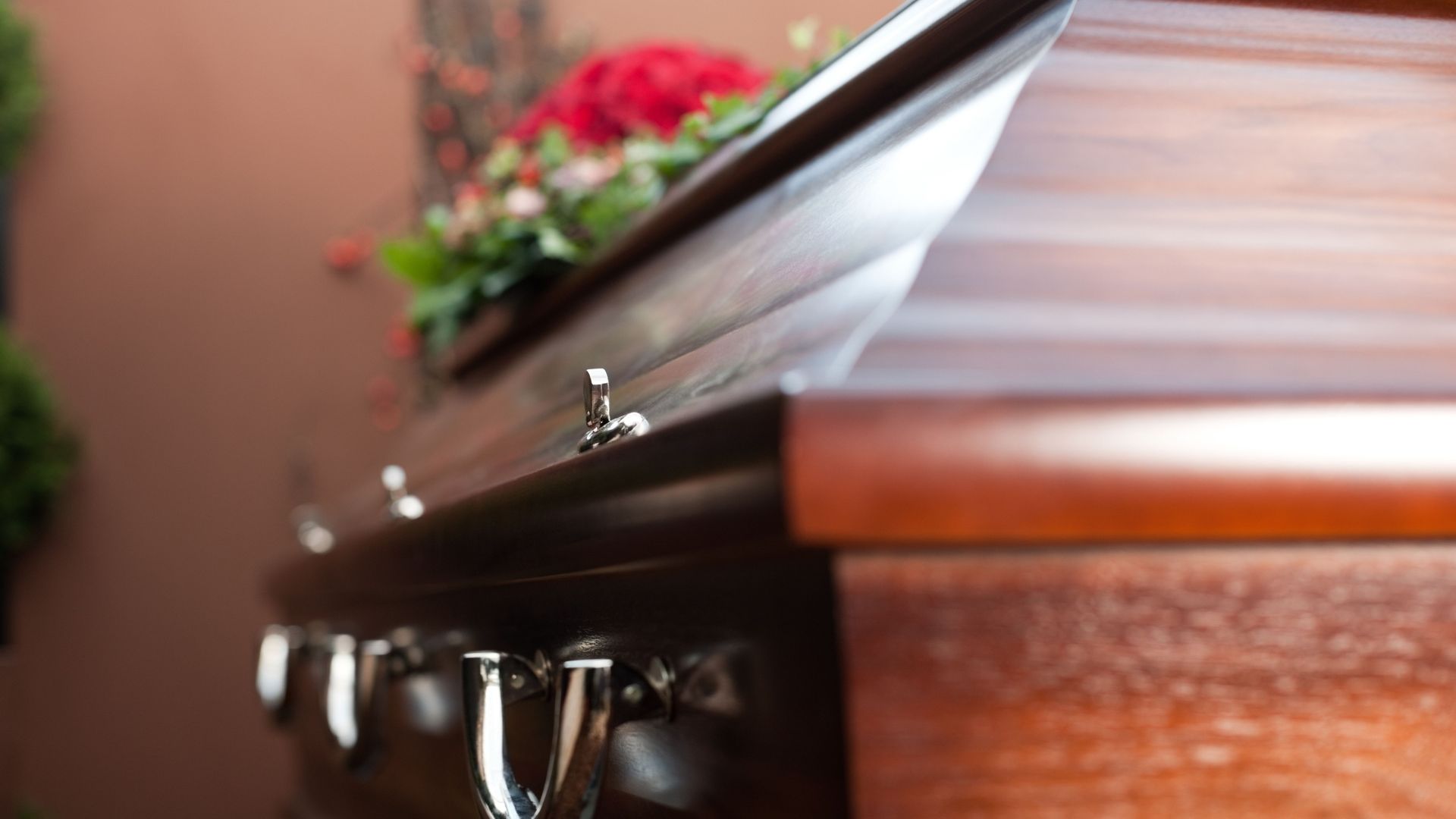
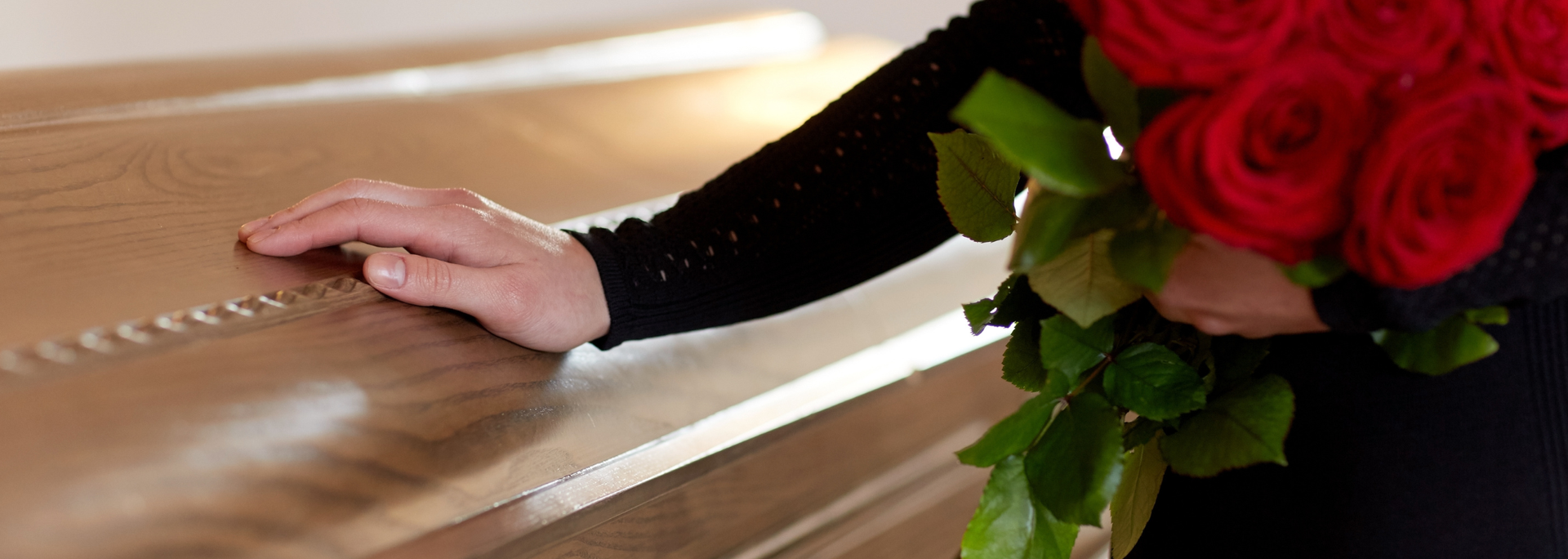
A wake or visitation would take place before the funeral service, to allow for viewing of the body of the person who has died. This would often take place in the family home.
Friends, family, and neighbours would come to pay their respects to the person, who may have been laid out in their coffin or their own bed.
These gatherings could last several hours or even a few days. They were a chance for mourners to sit and talk with the person who had died and perhaps offer prayers or blessings. Visitors would also offer support to the bereaved family.
These traditional wakes are still practised in some communities. However, many people today are more familiar with the modern version that takes place after the funeral.
The modern funeral wake
In the UK, a wake often happens after the funeral service. For many, it's an important part of the overall experience.
One reason people hold these types of wakes is that private, intimate funeral ceremonies are often limited to close friends and relatives. The less formal wake that follows is an opportunity to extend an invitation to wider friends and family, allowing them to pay their respects.
It can feel more relaxed and social than the funeral itself. People may feel more able to talk and even laugh as they share memories and connect with others who knew the person who died.
For some families, this is a space where many meaningful conversations happen.
Who goes to a wake?
Anyone who attended the funeral is usually welcome at the wake, unless the family has said otherwise.
In some cases, the wake may be open to everyone who knew the person. Other times, it may be a smaller, private gathering for close family and friends.
If you're not sure whether you should attend a wake, follow any guidance shared in the funeral notice or programme. If you're still unsure, it's perfectly fine to politely check with the organiser.
What should you expect as a guest?
If you've never been to a wake before, it's normal to feel unsure about what to expect. As a guest at a wake, there are many ways to take part.
Generally speaking, a funeral wake does not have a strict dress code beyond what you wore to the funeral. You don't have an obligation to stay for a set amount of time – only for as long as it feels appropriate or comfortable for you.
People often worry about saying the "right" thing. In reality, a simple message or shared memory is enough. You might speak to family members and offer your support, or share a story about the person who has died. Or, you may prefer to sit quietly and observe and reflect.
Food and drink at a wake
Food and drink are common at wakes in the UK.
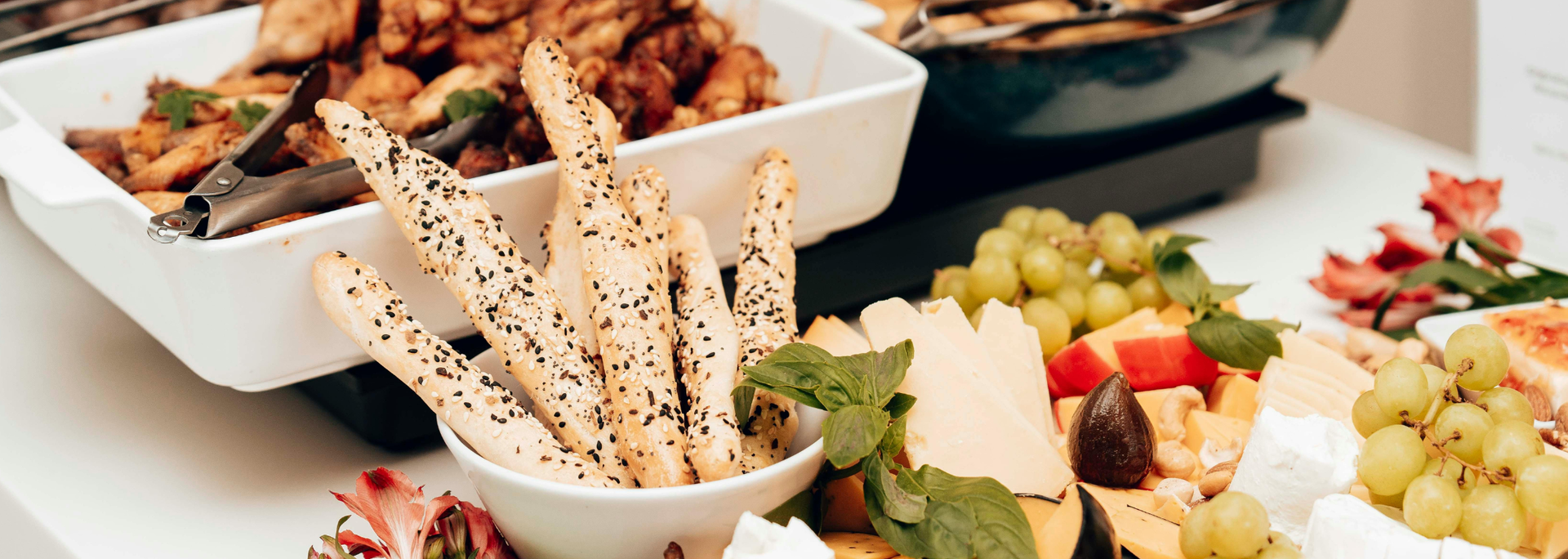
This can be as simple as tea and biscuits, or a more substantial buffet or meal. In some cases, alcohol may be served. However, this depends on the setting and the family's wishes.
In certain cultures and faiths, there may be specific guidelines around food and drink. A funeral director can help you plan something that respects those needs.
Providing refreshments is often less about formality and more about giving people a comfortable space to gather and spend time together.
Planning a funeral wake
If you are arranging a wake, there are a few practical things to think about.
These include:
- Location: it's best to choose somewhere accessible and comfortable.
- Numbers: how many people are you expecting?
- Catering: will you provide simple refreshments or a full meal?
- Tone:
are you aiming to strike a quiet and reflective mood, or a more social atmosphere?
Some people also choose to include personal touches, such as a playlist of meaningful music or a display table of photographs or other keepsakes. This might also include a book for guests to write messages or memories in.
You don't need to do all of these things. A simple gathering can be just as meaningful as a larger event.
Different faiths and cultural approaches
Wakes and post-funeral gatherings are not the same across all cultures and religions.
For example, some traditions may place more focus on gathering together ahead of the funeral rather than after. Others may have set mourning periods with specific customs, while some may not include a wake at all.
A space to come together
If you are planning a funeral and thinking about a wake, a good funeral home will help you think about your options. At Akshardham Funeral Directors, we work with people from all backgrounds and faiths, and understand that every funeral – and every wake – is different.
If you are planning to hold a wake as part of your service and have any questions about the options and details, we are here to support you.
Akshardham Funeral Directors is an independent funeral home based in North London. If you need our support, please feel free to contact us whenever you're ready. You can send us a message or call our 24/7 helpline on 020 8355 7876.