What does a funeral home do?
Funeral homes help with all sorts of things, from paperwork to quiet support. Learn more about what they do.

When a person dies, there are often lots of decisions to make. For many people, this can feel confusing and overwhelming when they're already grieving. A funeral home helps by taking on some of that responsibility.
A good funeral director doesn't just arrange practical things. They're there to help you make choices that feel right and guide you through the process step by step.
In this guide, we explain exactly what funeral homes do and how they can help you during a difficult time.
They guide you through the funeral process
Funeral homes help families plan funerals that reflect the life, values and wishes of the person who has died. This could be a traditional religious ceremony or something more personal.
You don't need to know exactly what you want when you walk in. A good funeral director will talk things through with you and help you explore your options. That might include decisions about burial or cremation or where the service will take place. You can also discuss transport and ceremony music – or whether to have a ceremony at all.
There's no right or wrong way to hold a funeral. The funeral director's role is to help you find the way that feels most meaningful for you and your family.
They take care of the person who died
Once the death has been confirmed and the right people notified, the funeral home arranges to bring the person who died into their care. This may be from a hospital, care home or private residence.
Once the person's body is in their care, they will look after them with dignity and respect. Depending on your wishes, this might include washing and dressing them. If you'd like to spend time with the person before the funeral – sometimes called a 'viewing' or a 'time of reflection' – the funeral director can help make this possible.
It's worth knowing that you don't have to view the person if you don't want to. Some people find it comforting, while others prefer to remember them as they were. It's a personal choice.
They handle the practicalities and paperwork

There are a number of legal and administrative steps that need to happen after a death. Many of them have to be done in a certain order. Funeral directors can help guide you through this or take care of it on your behalf.
They can register the death with the relevant local authority (if this hasn't already been done). You can also get help ordering the death certificates and liaising with venues, officiants, doctors and coroners where necessary.
They'll also confirm the details of the funeral and book the venue, making sure everyone involved knows what's happening and when.
This behind-the-scenes work often goes unnoticed, but it all helps make the funeral run smoothly.
They make sure things go to plan on the day
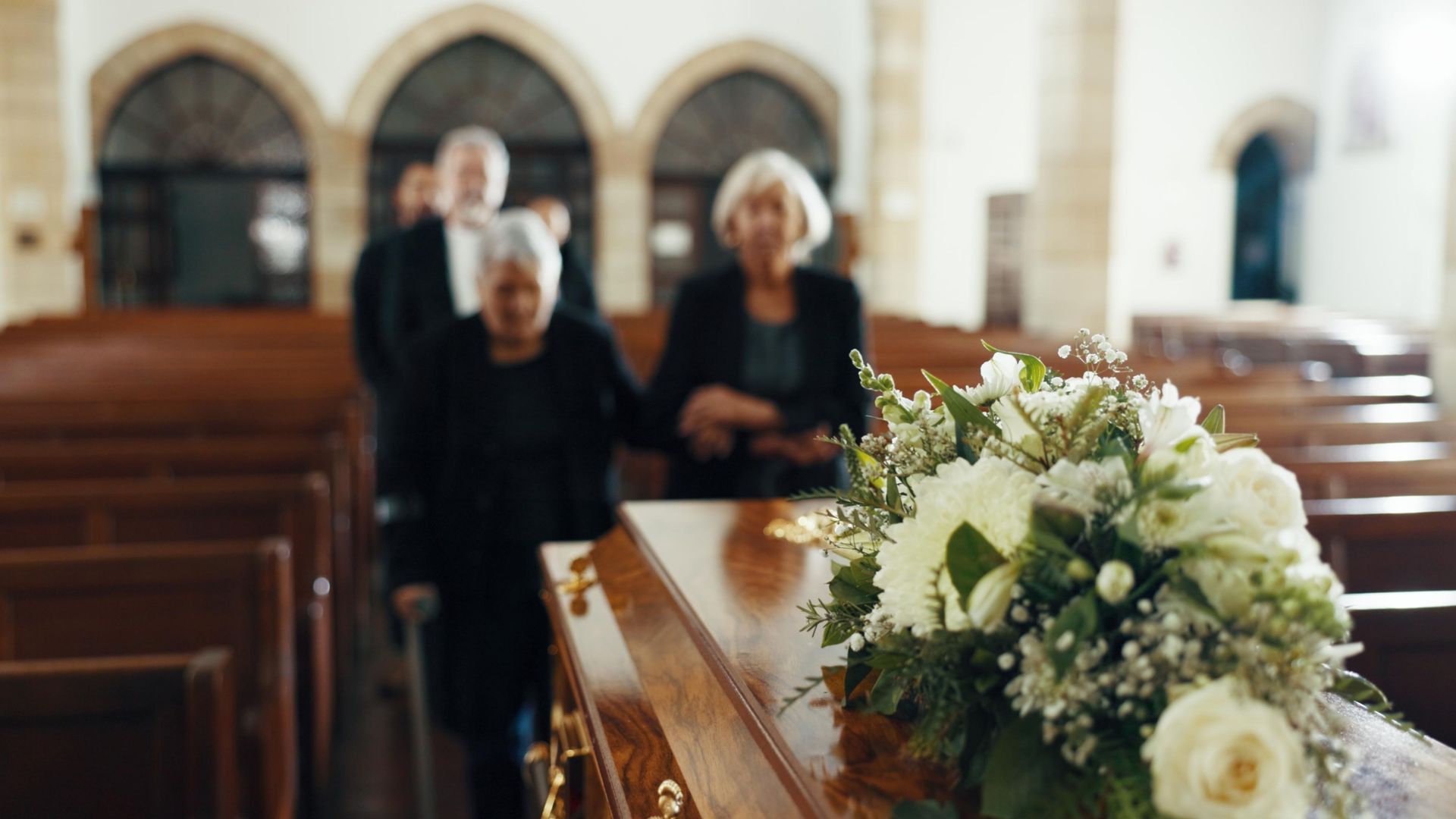
On the day of the funeral, the funeral director and their team are there to make sure everything runs like clockwork. They'll coordinate the transport and support the family and guests. They also keep in contact with the venue and any officiants or celebrants involved.
You can choose to have them walk in front of the hearse for part of the journey as a mark of respect. They can also help carry the coffin and direct people to their seats. They'll be on hand to step in to handle anything unexpected, too.
The idea is to keep things calm and respectful so you and your family can focus on remembering the person who has died.
They support you with care and compassion
A funeral director isn't just there to organise things – their role also involves a great deal of care.
When a person dies, it can stir up a whirlwind of emotions. You might feel numb, exhausted, anxious or even guilty about small decisions. That's completely normal.
A good funeral director will listen to and answer your questions, never rushing you into anything. They can suggest ways to make the funeral more personal and help you think through choices you hadn't considered.

Even if you just need somebody to talk to, a good funeral home will hold space for you. Some can also connect you with grief support services, bereavement counsellors or local community groups if you'd like more support after the funeral.
Other questions people ask about funeral homes
Here are some of the most common questions we're asked about funeral homes and how they work. We hope our answers help make things clearer for you.
Do I have to use a funeral director?
Strictly speaking, no. But most people choose to, as there are a lot of practical and legal steps involved. A funeral director takes that weight off your shoulders and makes sure everything runs smoothly.
Are funeral homes religious?
Some are, but most (including Akshardham Funeral Directors) support people of all faiths as well as non-religious people. They'll help you plan a funeral that's meaningful to you, whether that includes religious elements or not.
Can I visit the person who died at the funeral home?
Yes, if you wish. This is usually arranged by appointment and can be a chance for private reflection. But again, there's no obligation. It's entirely your choice.
Marking the moment how you see fit
A funeral home doesn't take over. It supports you. The best funeral directors are there to listen, to guide and to help you create a farewell that feels honest and respectful. Some people want a big ceremony. Others want something quiet. Either way, it helps to have someone by your side who understands how to make it happen.
Akshardham Funeral Directors provides funeral home services to families throughout Greater London. Our job is to help people from all backgrounds and beliefs plan funerals that feel right for them. If you're not sure where to start, that's okay. Contact us and we'll talk you through your options at your pace.